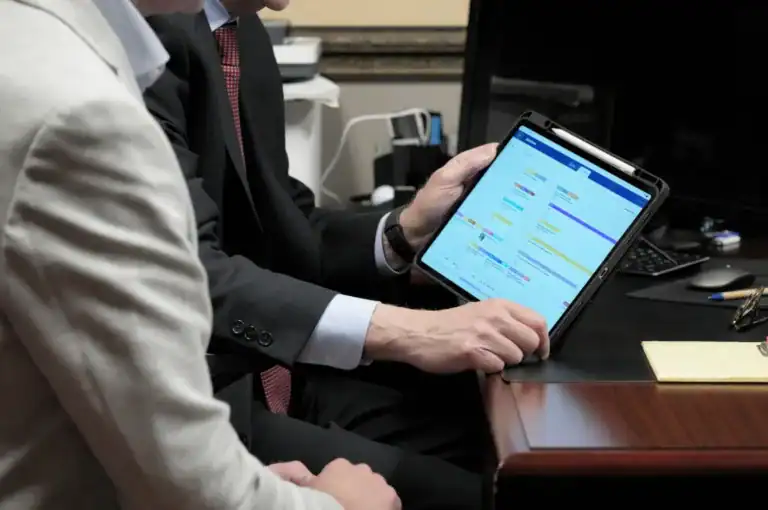


Effective trial presentation goes well beyond adding a little razzle dazzle to arguments and examinations. Relaying a clear and compelling story is vital for both plaintiffs’ lawyers trying to prove a case and criminal defense lawyers trying to create reasonable doubt. During deliberations, jurors must weave together the facts presented at trial according to a lawyer-presented narrative. Otherwise, there’s no telling what conclusions they may reach.
For this reason, good trial presentation software, like all good storytelling, should combine multiple kinds of media such as written words, videos, still photographs, and audio recordings. Courtroom storytelling must create a compelling narrative that resonates with multiple jurors in multiple ways.
Case Crafter checks all these boxes. The litigation software uses the latest legal technology to combine trial exhibits with courtroom visuals. No pie chart or bulleted list can match the best digital evidence presentation that legal and technical minds can create. Such a timeline often makes the difference between winning and losing at trial, or reaching the best possible settlement during pretrial negotiations.
What is Trial Presentation?
A slice of pound cake looks and tastes better when the chef adds berries and whipped cream, even though it’s the same slice of cake. Likewise, courtroom evidence is more palatable when a lawyer uses digital evidence presentation.
Preparing a slice of pound cake is a process, not a result. Likewise, effective digital evidence presentation is a process, not a result. Organizing and presenting evidence, arguments, and information in a clear and persuasive way during a trial or other proceeding helps judges, juries, and/or mediators understand the facts of a case, the legal issues involved, and the party’s position.
The best litigation software combines visual aids, documents, witness testimony, exhibits, timelines, and demonstrative materials into an easy-to-follow timeline format. Lawyers can use these tools during opening statements, witness examinations, and closing arguments to explain complex information, highlight key evidence, and reinforce credibility.
Trial presentation should also be organic. Lawyers must be able to easily control the aforementioned elements, so they can highlight the right bit at the right time.
Why Effective Trial Presentation Matters
Effective litigation software directly influences the way judges and juries understand and evaluate a case. The strongest evidence has little impact if it is poorly organized or difficult to follow. Good courtroom storytelling helps the trier of fact grasp complex information, remember key points, and see how the evidence supports one side’s legal arguments.
To many judges and jurors, the evidence in a trial is an overwhelming tidal wave that hits the shore in a random place. Effective courtroom visuals calm the waters. It organizes seemingly random information into a logical story, reducing confusion and helping decision-makers focus on the most important facts rather than becoming overwhelmed.
A good trial exhibit presentation also matters because it enhances credibility. Attorneys who present evidence accurately, professionally, and confidently build trust with the court. Furthermore, consistency between spoken arguments and visual materials signals preparation and reliability, strengthening the party’s position.
Key Elements of a Strong Trial Presentation
Clarity, organization, and credibility are the key elements of most strong trial exhibit presentations.
Case Crafter’s sharp visuals clarify and focus complex information. The visuals are not just visual aids. Case Crafter’s visual timeline incorporates trial exhibits, such as documents or photographs, supporting the facts without providing unnecessary details. Credibility means familiarity with all exhibits and technology. Case Crafter’s intuitive interface fits the bill.
Together, these three basic elements help ensure the evidence is understandable, persuasive, and memorable for judges and jurors.
Best Practices for Organizing Exhibits and Evidence
Start with a master exhibit list that includes exhibit numbers, brief descriptions, dates, and sources. Trial preparation and presentation is a team effort, and many times, these team members are in different locations and have different professional backgrounds. A master list keeps everyone on the same page.
Next, arrange exhibits in chronological order to tell a coherent story. Highlight or annotate key sections for quick reference, while preserving original copies for accuracy. Case Crafter stores electronic exhibits securely yet allows quick retrieval in court.
Finally, review exhibits regularly and update the timeline as new evidence emerges. This pretrial review continues during the trial. Well-organized exhibits reduce confusion, save time, and strengthen the overall effectiveness of your presentation.

Common Mistakes to Avoid in Trial Presentations
Good digital evidence presentation can help to sway judges and juries. Ineffective courtroom visuals have the exact opposite effect.
Information overload may be the most common mistake in trial. Lawyers who cannot discern what’s truly important confuse jurors, distracting them from what really matters. Clear, focused courtroom storytelling is far more effective than excessive detail.
Poor organization, a problem that Case Crafter easily resolves, is another common error. Quite simply, audiences cannot follow unfocused, scattershot presentations. Case Crafter lets attorneys outline their cases, link evidence with claims or counterclaims, and walk jurors through even the most complex case.
Some lawyers go too far with legal technology visuals and overly rely on the aforementioned razzle dazzle. Courtroom visuals reinforce solid arguments. They do not, and cannot, replace them.
How Legal Software Enhances Clarity and Persuasion
Legal software organizes complex information into clear, accessible formats. Case Crafter combines document management, timeline development, and evidence presentation into one platform, so lawyers quickly highlight key facts and connections. Additionally, real-time access to case materials during trial enables smoother and more confident presentations and arguments.
By reducing confusion and improving organization, legal software helps attorneys present stronger, more persuasive cases.
Conclusion: Turning Facts into a Compelling Trial Story
A clear narrative structure is often the key to a compelling story. Only Case Crafter enables lawyers to string facts together and make convincing cases.
When using Case Crafter, remember that simple language, repetition of key points, and logical transitions strengthen comprehension. If lawyers transform random facts into coherent stories, judges and jurors are more likely to remember them and return favorable verdicts.
FAQs About Trial Presentation Best Practices
What makes a trial presentation effective?
Interactive timelines may be the most effective tools. Case Crafter timelines weave evidence into a storyline. Other Case Crafter functions, such as secure document storage and real-time highlighting, enhance this effect.
How can storytelling strengthen your case in court?
Everyone loves a good story. A good Case Crafter timeline, like a good story, has a beginning, a middle, and an end. When lawyers effectively present the beginning and middle of the story, the ending jurors supply is usually much more favorable.
What tools help attorneys organize and present evidence clearly?
In this area, behind-the-scenes tools may be more important than the image on the screen. Case Crafter’s behind-the-scenes tools include multi-party collaboration during the pretrial process, secure document storage, and user-friendly interfaces that fully control digital trial exhibits.
Disclaimer: This article is intended for informational purposes only. It is not intended to provide legal advice.